
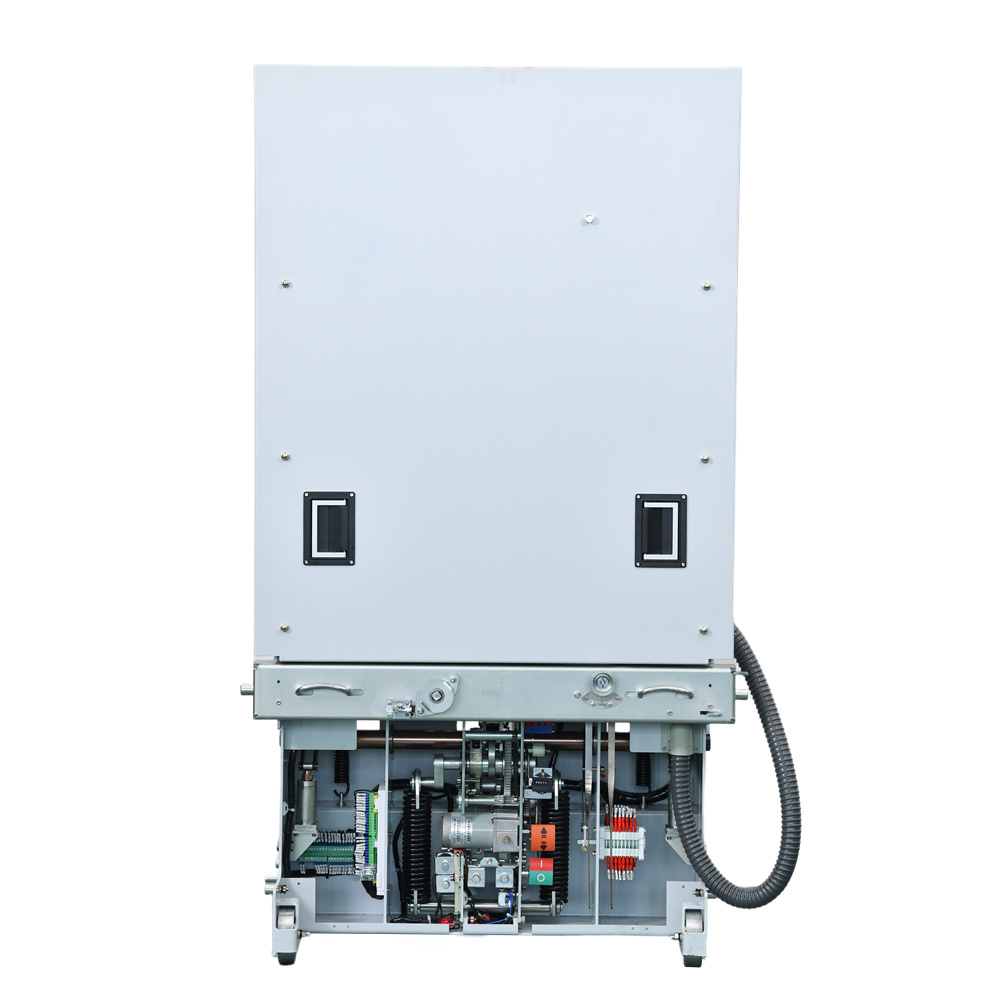
What Role Do Switchgear Fittings Play in Electrical Distribution Networks?
Industry Background and Market Demand
Electrical distribution networks form the backbone of modern power infrastructure, ensuring reliable electricity transmission from generation sources to end-users. Within these networks, switchgear plays a critical role in controlling, protecting, and isolating electrical equipment. Switchgear fittings—the components that support and enhance switchgear functionality—are essential for operational efficiency, safety, and system longevity.
The global demand for switchgear fittings is driven by aging power infrastructure, increasing electrification, and the integration of renewable energy sources. Industrial facilities, utilities, and commercial buildings require robust switchgear systems to minimize downtime, prevent electrical faults, and comply with stringent safety standards.
Core Concepts and Key Technologies
Switchgear fittings encompass various components designed to optimize switchgear performance, including:
- Busbars and Conductors: Facilitate current distribution within the switchgear assembly.
- Insulators: Prevent electrical leakage and short circuits.
- Mounting Hardware: Ensures secure installation and mechanical stability.
- Arc Quenching Devices: Mitigate arc flash hazards during circuit interruptions.
- Terminals and Connectors: Enable safe and efficient electrical connections.
Modern switchgear systems increasingly incorporate digital monitoring and smart sensors, enhancing predictive maintenance and fault detection.
Product Structure, Materials, and Manufacturing
Switchgear fittings are engineered for durability and precision. Key considerations include:
- Materials: High-conductivity copper or aluminum for busbars, epoxy resin or porcelain for insulators, and stainless steel for corrosion-resistant hardware.
- Manufacturing Processes: CNC machining for precise component fabrication, powder coating for corrosion resistance, and vacuum casting for high-voltage insulators.
- Design Standards: Compliance with IEC, ANSI, and IEEE specifications ensures interoperability and safety.
Factors Affecting Quality and Performance
Several variables influence the reliability of switchgear fittings:
1. Material Selection: Poor conductivity or inadequate insulation can lead to overheating or failure.
2. Mechanical Tolerance: Misaligned components increase resistance and wear.
3. Environmental Conditions: Moisture, dust, and temperature fluctuations degrade performance.
4. Installation Practices: Improper torque application or loose connections cause long-term reliability issues.
Supplier Selection and Supply Chain Considerations
Procuring high-quality switchgear fittings requires evaluating suppliers based on:
- Certifications: ISO 9001, UL, or CE compliance.
- Testing Protocols: Dielectric strength tests, thermal cycling, and short-circuit withstand evaluations.
- Lead Times and Logistics: Just-in-time delivery minimizes project delays.
- Customization Capabilities: Suppliers should accommodate bespoke designs for specialized applications.
Common Challenges and Industry Pain Points
Despite advancements, several challenges persist:
- Aging Infrastructure: Outdated switchgear systems struggle with modern load demands.
- Arc Flash Risks: Inadequate arc-resistant designs endanger personnel.
- Supply Chain Disruptions: Material shortages delay critical upgrades.
- Interoperability Issues: Non-standardized components complicate retrofitting.
Applications and Case Studies
Switchgear fittings are deployed across multiple sectors:
- Utilities: Medium-voltage switchgear in substations ensures grid stability.
- Industrial Plants: Molded-case circuit breakers with reinforced fittings protect heavy machinery.
- Renewable Energy: Solar and wind farms use weather-resistant switchgear to handle variable loads.
A notable case involves a European utility upgrading its substations with modular switchgear fittings, reducing maintenance costs by 30% while improving fault response times.
Current Trends and Future Developments
Emerging innovations shaping the industry include:
- Smart Switchgear: IoT-enabled sensors for real-time condition monitoring.
- Eco-Friendly Materials: SF6-free insulation alternatives to reduce environmental impact.
- Modular Designs: Prefabricated switchgear solutions for faster deployment.
- Hybrid Systems: Integration of solid-state and traditional switchgear for enhanced efficiency.
FAQ: Common Questions About Switchgear Fittings
Q: How often should switchgear fittings be inspected?
A: Annual thermographic inspections and mechanical checks are recommended, with more frequent assessments in high-load environments.
Q: What are the signs of failing switchgear fittings?
A: Overheating, unusual noises, or visible corrosion indicate potential failure.
Q: Can existing switchgear be retrofitted with modern fittings?
A: Yes, but compatibility with legacy systems must be verified to avoid operational risks.
Conclusion
Switchgear fittings are indispensable in ensuring the reliability, safety, and efficiency of electrical distribution networks. As technology advances, the industry must address material innovations, smart monitoring, and sustainability to meet evolving power demands. Strategic supplier partnerships and adherence to engineering best practices will remain crucial for optimizing performance in critical applications.
Phone: +8613736779975
E-mail: sales@vcbbreaker.com
Address: 66 Punan Road, Yueqing Economic Development Zone, Zhejiang, China
የቅጂ መብት © 2025 ያንግሪ ኤሌክትሪክ ቡድን ሁሉም መብቶች የተጠበቁ ናቸው
ይህ ድህረ ገጽ በድረ-ገጻችን ላይ ምርጡን ተሞክሮ እንድታገኝ ኩኪዎችን ይጠቀማል።

 English
 Español
 Portugues
 Pусский
 العربية
 Türk dili
 Indonesia
 Tiếng Việt
 қазақ
қазақ فارسی
فارسی українська
 беларускі
 Filipino
 o'zbek
 български
 тоҷикӣ
 kiswahili
 Монгол
 Ilocano



 ስልክ
ስልክ
አስተያየት
(0)